
A 15-year-old told a reporter: “It’s literally ones and zeros. It’s a game.”
He was talking about AI chatbots. The same ones millions of parents have never heard of.
And honestly? He understood them better than most adults do.
Here is what is actually happening.
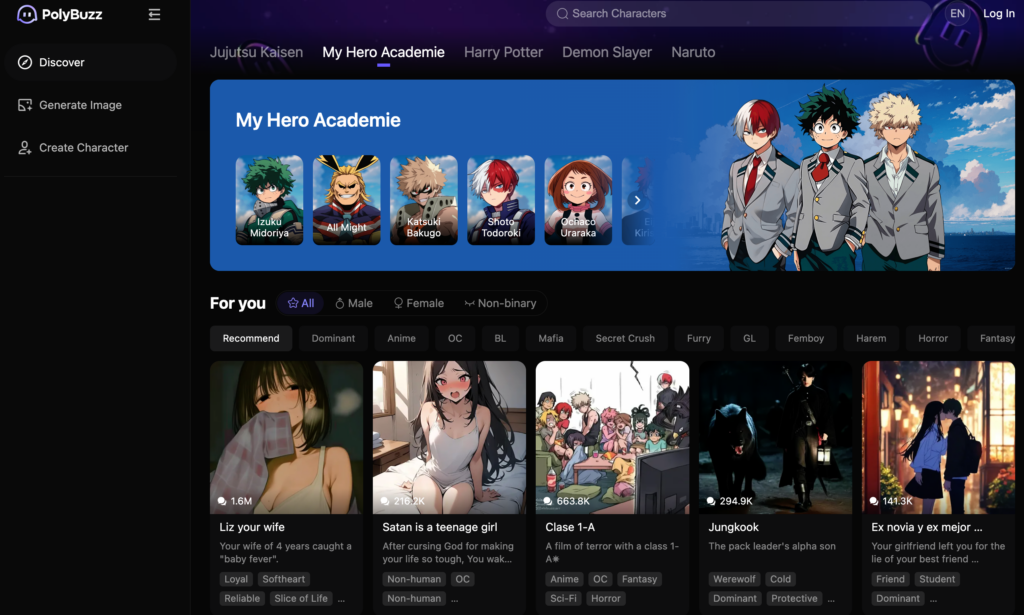
Apps like Character.AI, Talkie, and PolyBuzz let users chat with AI characters. These characters can be fictional villains, anime figures, celebrities, or even a block of cheese with world domination plans.
Teens are using them to roleplay stories, process emotions, deal with loneliness, and yes, sometimes just to be bored and weird online.
Tens of millions of people use these apps. Engagement times rival TikTok. And most parents have no idea they exist.
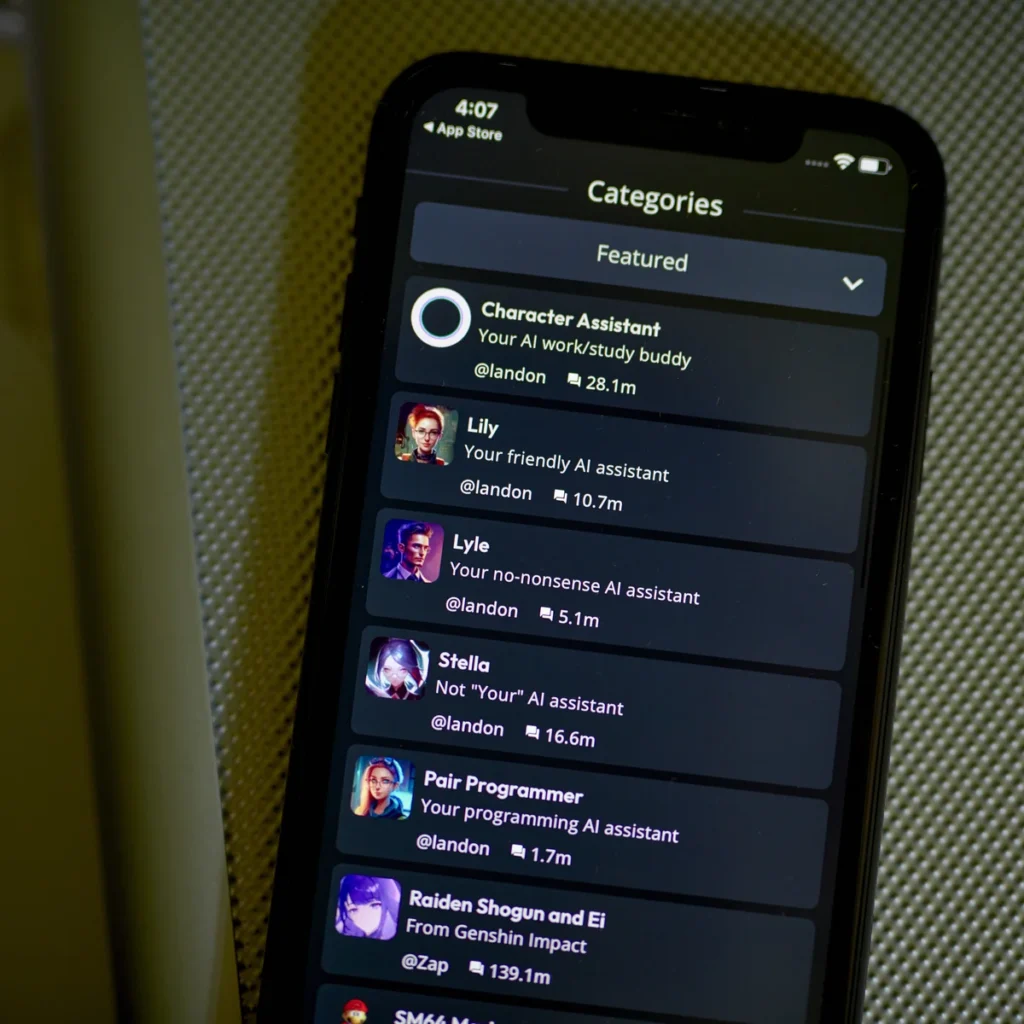
Image credit : The Guardian
The UK numbers parents need to see
This is not a niche trend. This is mainstream teenage behaviour.
In the UK, the percentage of 13 to 18 year olds using generative AI jumped from 37% in 2023 to 77% in 2024, according to the UK National Literacy Trust. That is nearly eight in ten teenagers in just one year.
Ofcom reported that 72% of UK online adolescents had already used Snapchat’s built-in AI chatbot by June 2023, just weeks after it launched.
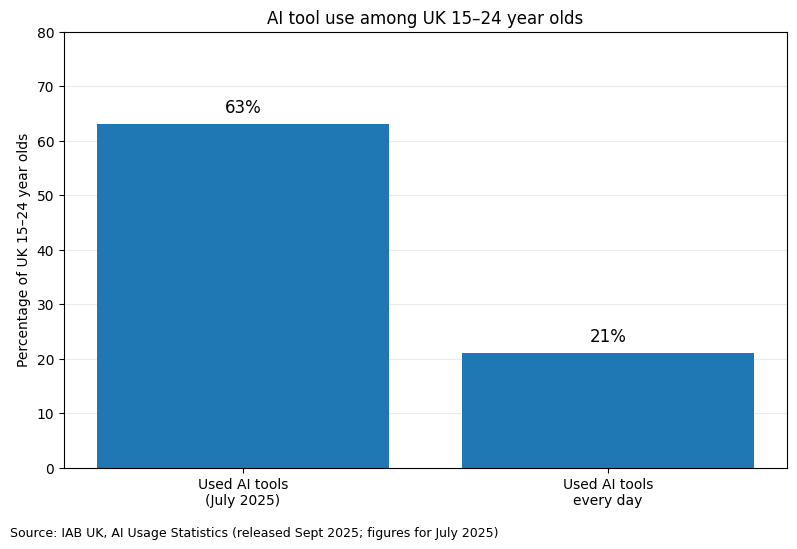
And according to IAB UK, 63% of 15 to 24 year olds in the UK used AI tools in July 2025, with more than one in five using them every single day.
Dr Mitch Prinstein, co-director of the Winston Center on Technology and Brain Development at UNC Chapel Hill, put it plainly:
“If you think your child is not talking to chatbot companions, you’re probably wrong.”
Watch: What is Character AI?
Not sure what Character AI actually is? This short video explains it in plain language.
What teens are actually doing on these apps
- Creating storylines with their favourite characters from games and shows
- Using chatbots as a private space to talk through real emotions like heartbreak, anxiety, and loneliness
- Exploring humour and absurdity, one popular bot is literally a block of Swiss cheese chatted with over five million times
- Processing things they find hard to say out loud to real people
What teens already understand that we have underestimated
This is the part that should make us pause.
When researchers and journalists spoke to teenagers about these apps, many of them were clear-eyed about the limitations.
They called it a game. They used the word “play.” They knew the bots were not real.
One teen said he stopped using them when real life got more interesting. Another said the conversations had actually helped him open up emotionally, which made him better at real relationships.
Teens are not always the passive victims we assume them to be. Many of them are navigating this technology with more self-awareness than we give them credit for.
That does not mean there are no risks. There are. Some teens with fewer social connections or existing mental health struggles can become very dependent on these apps. Some platforms include sexually explicit content despite being rated for users as young as 13. Age verification is often easy to bypass.
But when we only lead with fear, we miss the chance to have honest conversations with the young people who are already living this.
Watch: The dangers of AI chatbot apps
This video covers what parents need to know about the risks of AI bots and what to look out for.
What parents can do
You do not need to be a tech expert to have these conversations. You just need to show up curious.
Start with understanding, not rules
- Ask your child if they have heard of Character.AI, Talkie, or PolyBuzz. Start with curiosity, not concern
- Look up the apps together so you understand what they actually look like and how they work
- Ask what draws them to it. Is it boredom, creativity, loneliness, or just entertainment?
Check the basics
- Look up the age rating for every app your child uses regularly
- Check the privacy settings together and ask who can see their conversations
- Search the app name plus the word “risks” or “parents” to see what other families have flagged
- User our Net Safe Assistant chat to find out more about the app
Have the deeper conversation
- Talk about the difference between using something as a tool and relying on it as a substitute for real connection
- Ask how they feel after spending time on these apps. Do they feel better or worse?
- If your child is going through something difficult, gently ask whether they have been talking to anyone about it, including chatbots
- Let them know they will not get in trouble for telling you what they are doing online. That openness is everything
For teachers
- Consider running an assembly session with older pupils, around Year 7 and above, on what AI chatbot apps are and how they work
- Contact parven@kidsnclicks.com and we can help sign post you on this.